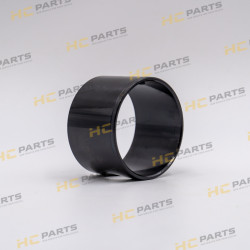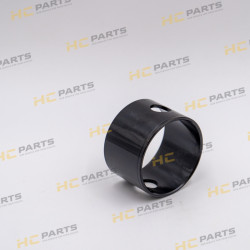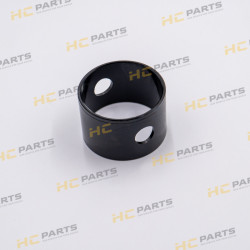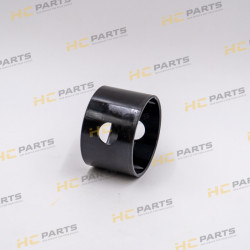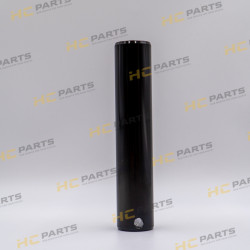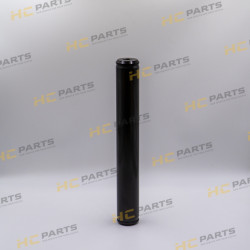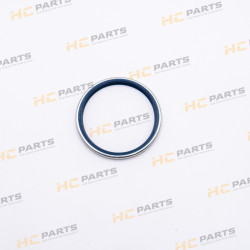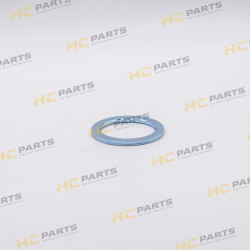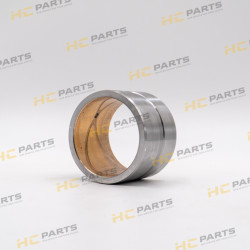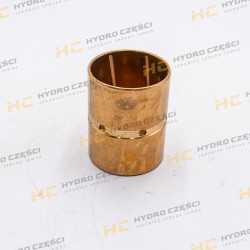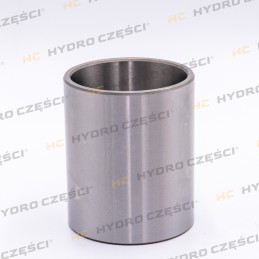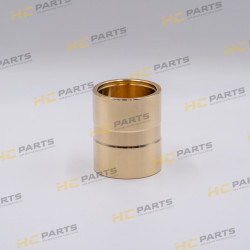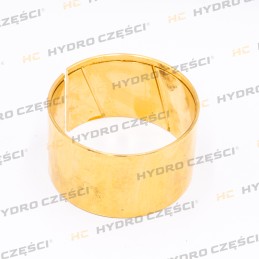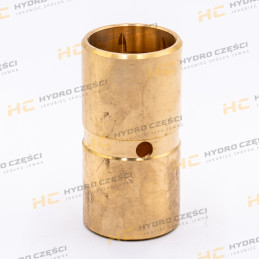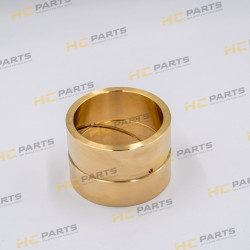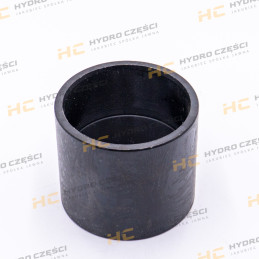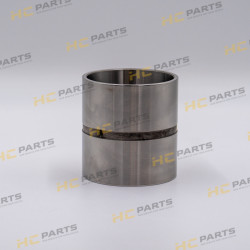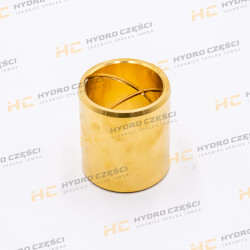



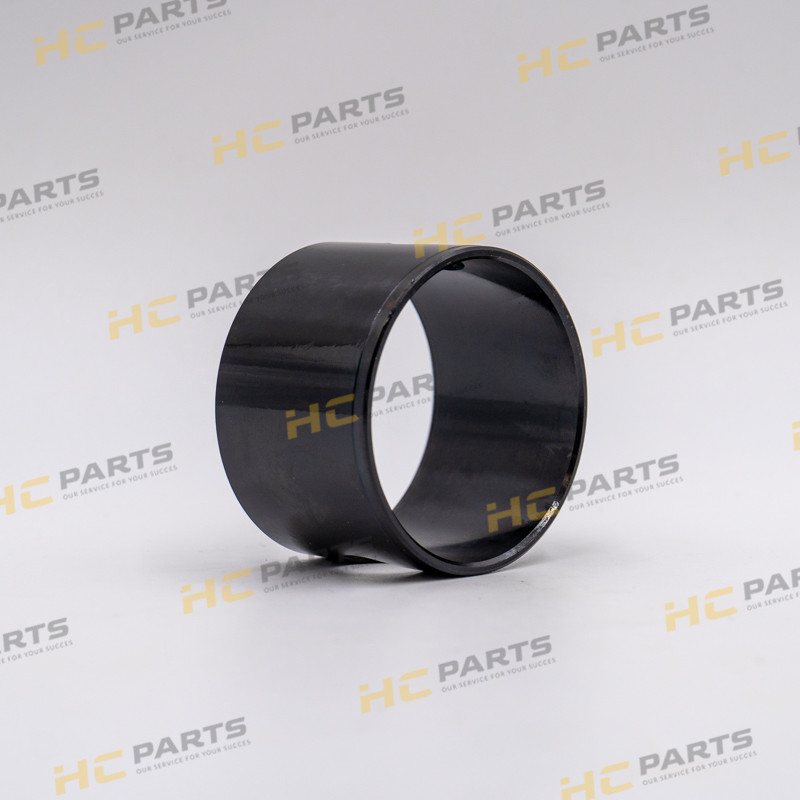

Kingpost SWING Cylinder Bush 55x60x40mm (fits JCB) - OEM 831/10229
Highest quality slew cylinder bush in OEM standard, part number 831/10229. This component is designed for popular JCB backhoe loaders. The bush, with an exact internal diameter of 55 mm, external diameter of 60 mm, and height of 40 mm, is a critical support point in the rear arm (kingpost) slew system, responsible for the precise and stable operation of the cylinders. The use of an OEM standard part guarantees a perfect fit, eliminates working play, and restores the factory reliability of the entire slew configuration.
The OEM bush was manufactured strictly according to the machine manufacturer's rigorous standards. Subjected to advanced heat treatment, it features extreme resistance to abrasion and the immense compressive forces occurring during the dynamic rotation of the fully loaded arm. The very hard surface minimizes friction and prevents premature wear of the mating pins.
Technical Specification:
- Part type: Slew cylinder bush
- Quality class: OEM
- Internal diameter (ID): 55 mm.
- External diameter (OD): 60 mm.
- Height (H): 40 mm.
- Part number: 831/10229 (83110229).
Compatibility with JCB Machinery:
| Machine Category | Series and Models |
| Backhoe Loaders |
incl. 3CX, 4CX, 5CX, 214, 215, 217, 3/3C/3CS, 210, 212, 3DX, 4/4C/4CN |
Workshop Tip:
Golden rules for bush replacement:
1. Socket verification: Before pressing in a new bush, absolutely make sure that the cylinder eye (socket) is not "egg-shaped". Seating a hard OEM bush in a worn-out hole will cause it to rotate along with the pin, irreversibly destroying the machine's structural component.
2. Replacement in pairs: Always replace the bush along with a new pin of appropriate hardness (preferably also in OEM or Premium standard). Leaving an old, worn pin will instantly "shear" the internal surface of the new bush.
3. Pressure lubrication: After proper seating (using a press and soft drifts, avoiding hits with a hard hammer), thoroughly lubricate the pin point with thick grease until it flows out through the gaps. Regularly repeat this procedure according to the machine's Operation and Maintenance Manual (OMM).