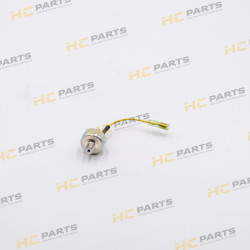
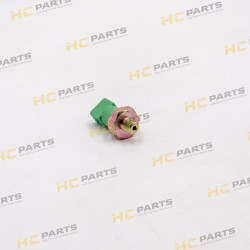
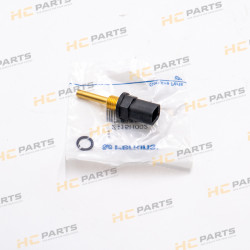
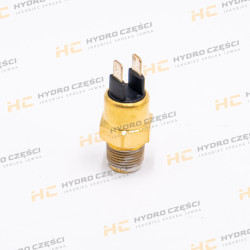
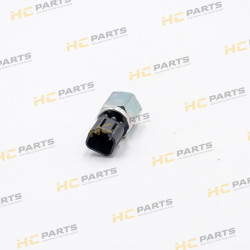
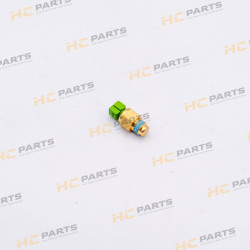
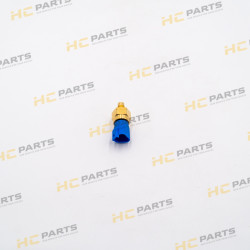
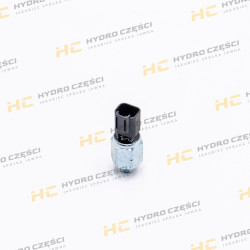
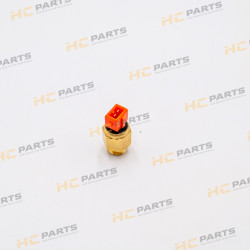
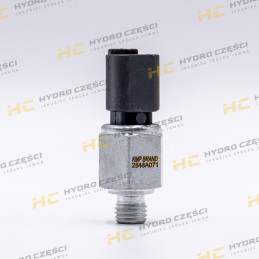
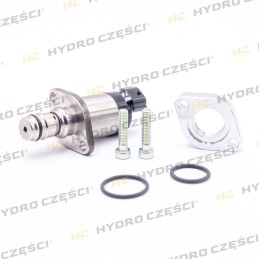
T-MAP Manifold Pressure Sensor (Kohler KDI) - GENUINE ED0080891620-S
Genuine T-MAP (Temperature and Manifold Absolute Pressure) sensor by Kohler with part number ED0080891620-S. This component is designed specifically for advanced KDI series diesel engines. This sensor is responsible for the precise measurement of absolute pressure and temperature of the air entering the intake manifold. Based on these readings, the Engine Control Unit (ECU) continuously adjusts the fuel dose, allowing for the optimization of the combustion process. The use of a genuine part guarantees maintaining full machine power, proper operation of the injection system, and strict compliance with exhaust emission standards.
Why choose genuine? Modern Kohler KDI engines equipped with Common Rail injection systems are extremely sensitive to the parameters read from sensors. Aftermarket replacements with different electrical characteristics can cause onboard computer errors, engine jerking, and even force the machine into Limp Mode (fail-safe mode). By choosing a genuine Kohler sensor, you gain the certainty of perfect factory calibration and the highest durability under high vibration conditions.
Technical Specification:
- Part type: Intake air pressure and temperature sensor (T-MAP).
- Quality class: Genuine
- Function: Measurement of absolute pressure (MAP) and air temperature (IAT).
- Manufacturer/Brand: Kohler.
- Part number: ED0080891620-S (ED0080891620S, 0080891620-S).
Compatibility with Engines and Machinery:
| Category | Engine Series and Models |
|---|
| Kohler Diesel Engines |
KDI Series: KDI 1903 TCR, KDI 2504 TCR, KDI 3404 TCR |
| Construction / Agricultural Machinery |
Various applications powered by Kohler KDI engines (including selected models of JCB machines, loaders, excavators, and power generators). |
Workshop Tip: A T-MAP sensor failure usually manifests as a drop in powertrain performance, rough idling, increased fuel consumption, and the appearance of a fault code in the engine controller (Check Engine light).
Golden rules for sensor replacement:
1. Wiring harness verification: Before installing a new sensor, carefully inspect the plug and the wiring harness. Engine vibrations can lead to chafing of the cable insulation or oxidation of the contacts, which in turn generates symptoms deceptively similar to permanent damage to the sensor itself.
2. Mounting hole cleanliness: Ensure that the measuring channel in the manifold is completely free of dirt and carbon buildup. At the same time, be careful not to let any dirt particles get inside the intake system during cleaning work.
3. O-ring and unmetered air: The sensor is sealed in the socket with an o-ring. Make sure the seal is not folded or damaged during pressing. A leak will cause additional outside air to be sucked in, which will drastically falsify the pressure readings fed to the ECU.