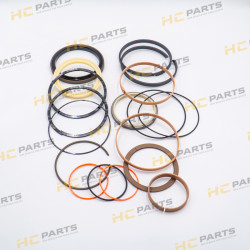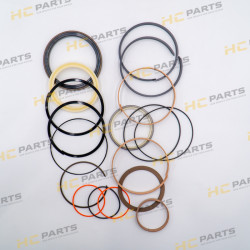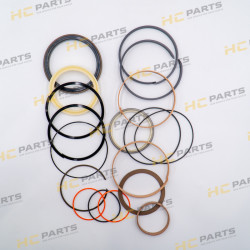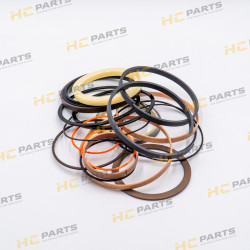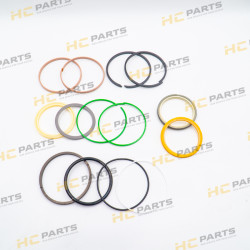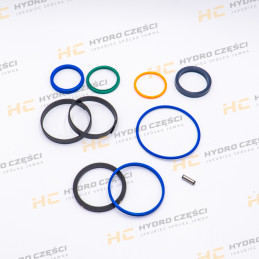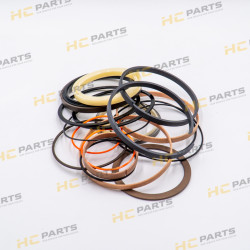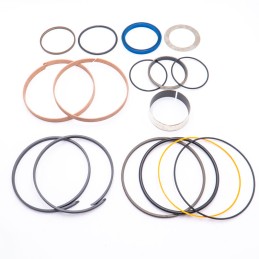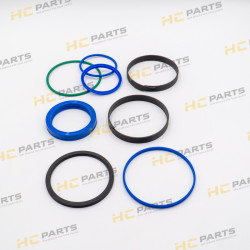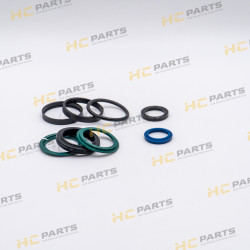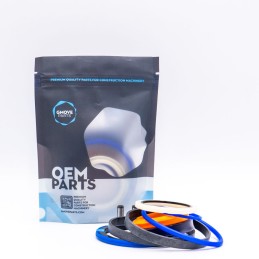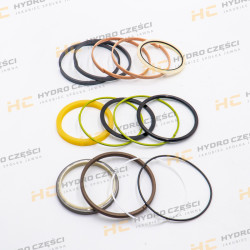



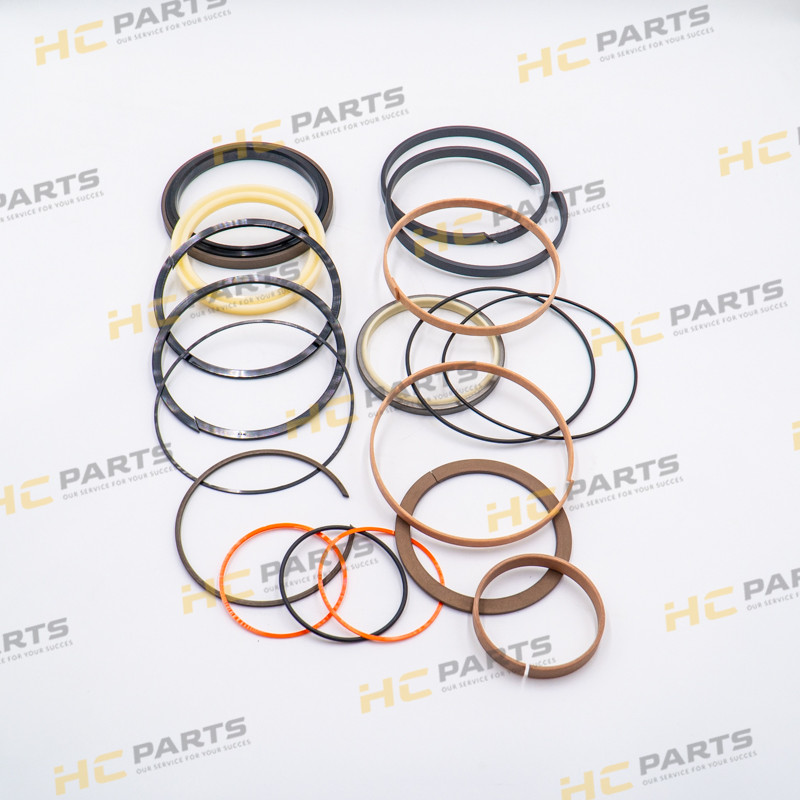

Bucket Cylinder Seal Kit 95x140mm (fits JCB) - GMOVE 903/21061
High-quality bucket cylinder seal repair kit (BUCKET) by GMOVE, part number 903/21061. The kit is dedicated to professional JCB tracked excavators. Designed for cylinders with an internal cylinder diameter of 140 mm and a rod diameter of 95 mm. The use of precisely manufactured, modern GMOVE seals guarantees the restoration of full efficiency to the hydraulic system, effectively eliminates leaks, and ensures the maintenance of optimal machine working pressure during bucket operation.
High resistance and durability: GMOVE seal kits are manufactured from selected, high-grade materials (polyurethane, Teflon, NBR) resistant to extremely high pressures, temperature fluctuations, and contaminants occurring in hydraulic systems. The specialized profile of the wiper and sealing rings provides maximum protection against the ingress of dust, mud, and sand into the bucket cylinder, which operates in the harshest conditions due to its location.
Technical Specification:
- Part type: Bucket cylinder seal kit.
- Quality class: Premium
- Cylinder / piston diameter: 140 mm.
- Rod diameter: 95 mm.
- Manufacturer/Brand: GMOVE.
- Part number: 903/21061 (90321061).
Compatibility with JCB Machinery:
| Machine Category | Series and Models |
| Tracked Excavators |
JS SERIES (TRACKED): JS 210, JS 220, JS 235, JS 330 |
| JZ SERIES: JZ 235, JZ 255 |
| X SERIES: 210X, 220X |
Workshop Tip: A bucket cylinder leak is often a warning sign. Due to its proximity to the digging zone, this cylinder is the most exposed to direct mechanical damage from the outside.
Golden rules for hydraulic cylinder regeneration:
1. Rod surface evaluation: Before installing the seal pack, carefully inspect the chrome rod under strong light. Even minor stone impacts or sharp scratches will destroy the new wiper seals after just a few hours of operation, leading to recurring leaks.
2. Absolute cleanliness (sterility): Perform the regeneration on a clean workbench. Use lint-free wipes and wash components in dedicated cleaners. Dirt left inside the system is the main enemy of expensive hydraulic pumps and control valves.
3. Careful seal installation: Avoid using sharp tools (e.g., flathead screwdrivers) to press in hard seals. Any mechanical nicks on the lip lead to immediate leaks under pressure. Before assembly, generously lubricate the gland, seals, and the rod itself with clean hydraulic oil.